The Key Difference: From Personalization to Hyper-Personalization
Understanding the distinction between these two defines the future path of your content marketing.
A) Personalization: Based on Demographic Data
This approach uses general data such as name, job title, or city to create a sense of connection. For example: "Hello Mr. Ahmadi, this is the electronics product catalog."
B) Hyper-Personalization: Based on Behavioral Data
This approach uses deep, real-time data on customer behavior: pages browsed, time spent on a product, similar products viewed, and purchase history.
For example: "Hello Mr. Ahmadi, you seem interested in electronic equipment. In this version of the catalog, we have placed 3 new products relevant to your purchase history on the first pages." This kind of adjustment is done by AI in real-time.
Application of Hyper-Personalization in Catalog Content
Hyper-Personalization in the smart catalog is evident not only in text messages but also in the structure, design, and even the Call to Action (CTA) buttons.
A) Dynamic Adjustment of Catalog Structure
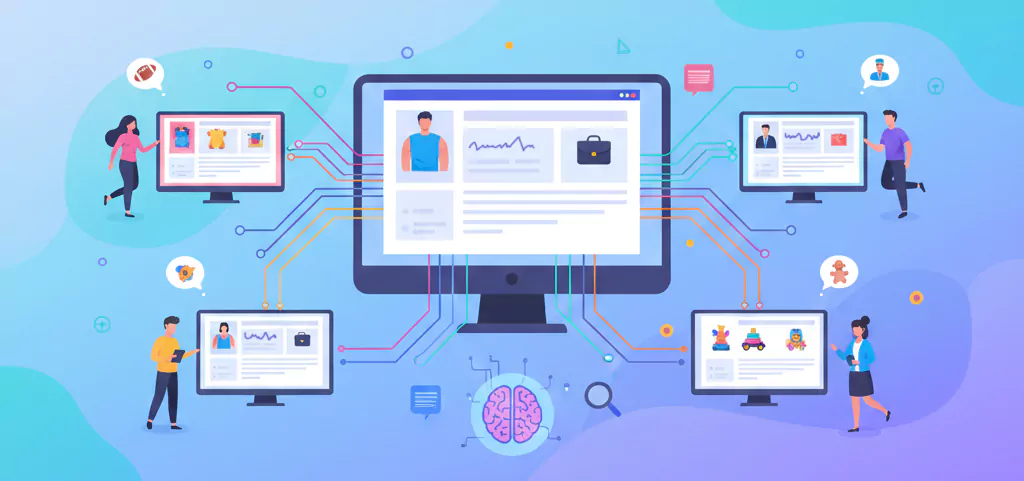
The smart platform can instantly change the order of pages for each user when the catalog is opened:
- Product Prioritization: Products that the customer has previously viewed on the website or shown interest in are moved to the initial and central pages of the catalog.
- Exclusion of Irrelevant Content: If the customer is B2B, pages related to retail discounts may be removed from their catalog to make their experience simpler and more focused.
B) Using AI technologies, visual and textual elements can also be changed:
Using AI technologies, visual and textual elements can also be changed:
- Dedicated Cover Images: The cover image can display the product the customer spent the most time viewing.
- Product Descriptions Tailored to Knowledge Level:If the user is an engineer, the product description focuses on technical specifications (like certifications); if the user is a financial manager, the description focuses on Return on Investment (ROI) and affordability.
Sales-Driven Benefits of Hyper-Personalization
This advanced approach directly leads to sales and customer loyalty.
A) Significant Increase in Conversion Rate
When the content is exactly what the customer needs at that moment, the buying decision becomes much easier. This removes friction from the sales process and increases the Conversion Rate from "average" to "exceptional."
B) Improved User Experience and Loyalty
Hyper-Personalization makes the customer feel that your brand knows them and values their time. This unconsciously creates an emotional connection and long-term brand loyalty.
C) Optimization of Marketing Budget
By focusing precisely on the customer's proven needs, there is no longer a need to waste budget on advertising products they are not interested in. This approach ensures that every click and every catalog view is guided towards the sales goal.
Final Words
Hyper-Personalization is the ultimate destination for smart catalogs. This approach moves away from generic content and towards delivering a completely unique selling experience for every customer. By intelligently using behavioral data and AI technologies to dynamically adjust structure, content, and CTAs, your catalog transforms from a marketing document into a full-time, personalized sales consultant. Be ready for the future of content marketing; a future where content is produced exclusively for each of your customers, not just in bulk.