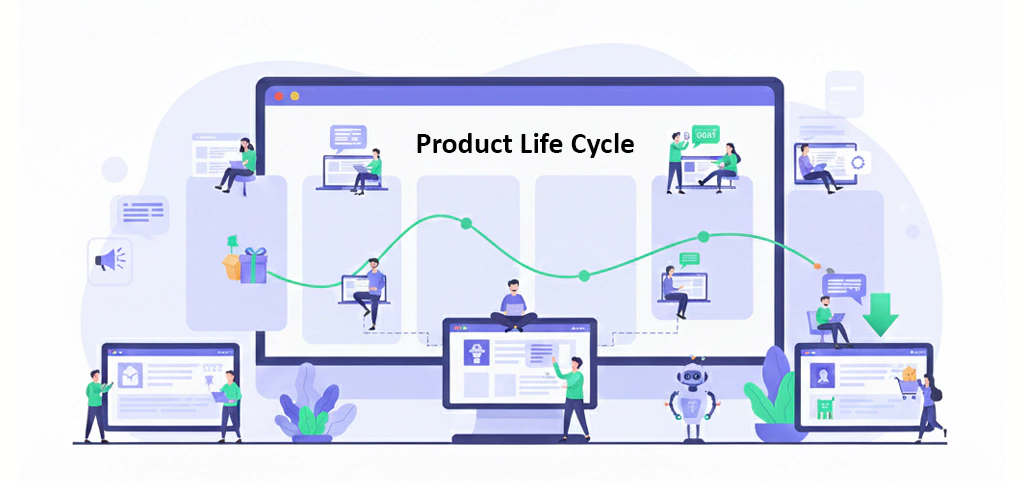
Introduction Stage: Generating Excitement and Education
The goal at this stage is to build awareness and introduce new features to the market. The smart catalog should function as an engaging and educational tool.
A) Focus on Multimedia Content
At this stage, content must be visual and engaging. Maximum use of teaser videos, 360-degree images, and animations to showcase the new product's performance quickly captures the audience's attention.
B) Gathering Initial Feedback
By placing short feedback forms within the catalog, you can collect initial customer opinions regarding price, features, and potential issues, and quickly take action to improve the product or promotional content.
C) Targeted Distribution
Catalog distribution must be through channels where the precise target audience (Early Adopters) are present, such as linking on specialized social networks or through email campaigns to loyal customers.
Growth Stage: Building Trust and Emphasizing Competitive Advantage
As sales increase, the goal is to stabilize market share and differentiate from competitors.
A) Displaying Social Proof and Credentials
At this stage, catalog content should include direct links to positive customer reviews, received certifications, credentials, and ISOs. Encourage customers to share your catalog on their networks by embedding share buttons.
B) Expanding FAQ and Support Content
In addition to sales information, the catalog should become a credible reference. Adding support links and a regularly updated FAQ (Frequently Asked Questions) section increases the trust of new customers.
C) Detailed Behavioral Analytics
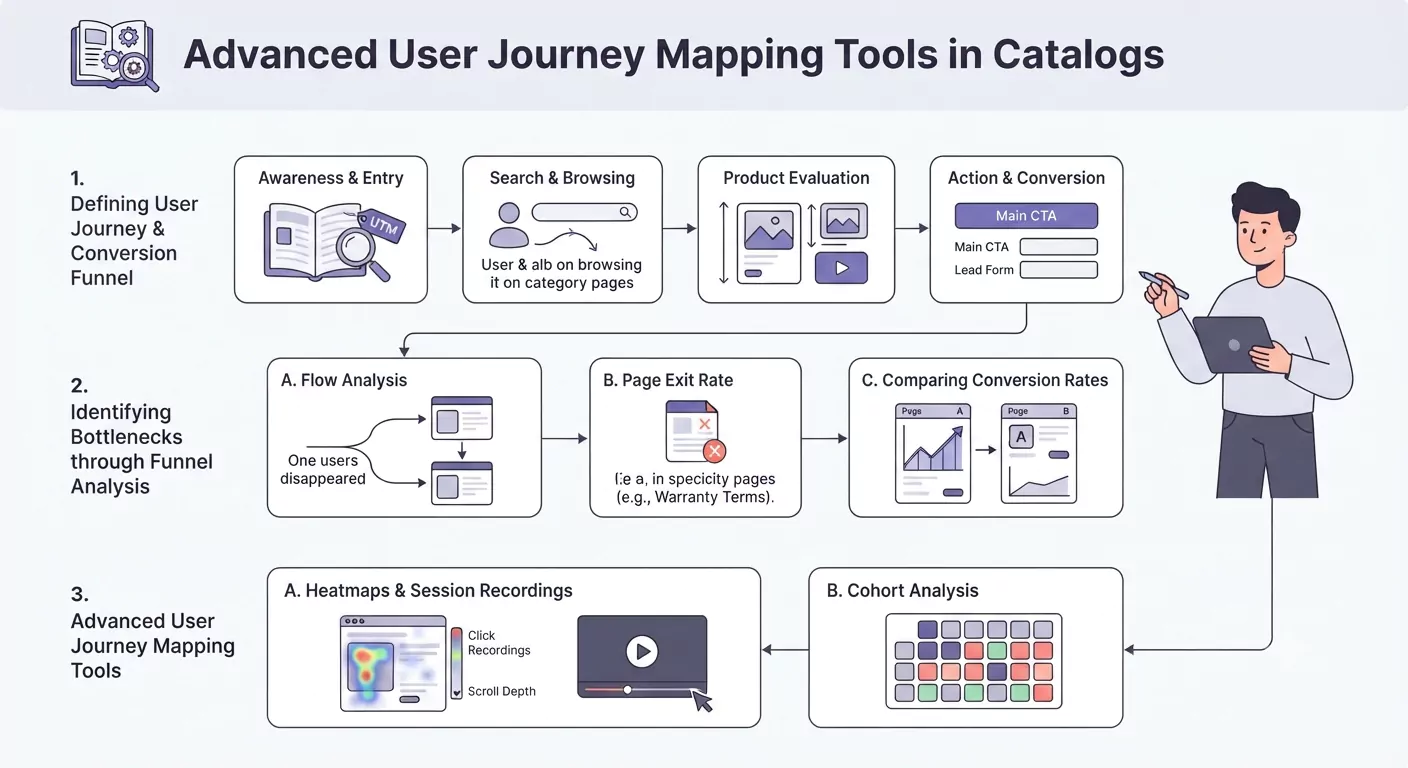
Using data analysis tools, discover the product strengths that customers spend the most time on and optimize the catalog content to emphasize those specific benefits.
Maturity and Decline Stages: Maintaining Profitability and Inventory Management
In the Maturity stage, the focus is on customer retention, and in the Decline stage, the focus is on inventory clearance.
A) Maturity: Hyper-Personalization and Added Value
To prevent a drop in sales, the catalog must offer a personalized experience. For example, displaying customized prices and packages for existing customers or direct links to maintenance and warranty services. Adaptive content is the best way to compete.
B) Decline: Flash Sales and Substitute Products
At this stage, you must quickly edit the catalog to:
- Display time-limited Flash Sales with large banners.
- Add Bundling links that package older products with newer ones.
- Introduce and link to Substitute Products alongside the declining product to guide traffic toward newer models.
Final Words
The smart catalog is not a printed brochure that remains static throughout the Product Life Cycle. It is a dynamic marketing platform that allows you to adjust your content strategy at every stage of the product life cycle through real-time edits, variable interactive tools, and behavioral data analysis. With this perspective, your catalog will always play an active and revenue-generating role in ensuring the product's survival and success.