The Why and How of the Content Gating Strategy
The goal of Content Gating is not to increase unwanted friction but to value confidential information and distinguish serious leads from casual visitors.
A) Valuing the Content
When you place information such as "2025 Wholesale Prices" or "Competitor Analysis Report" behind a lead form, you signal to the customer that this content is highly valuable and exclusive. This increases the form completion rate for genuinely interested users
B) Filtering High-Quality Leads
A user willing to spend their contact information and time to access content is definitely a "warm" lead and close to making a purchase. The sales team can prioritize these leads, focusing their time on customers with the highest conversion potential.
Which Content Should Be Placed Behind the Gate?
Choosing the right content for restriction is crucial. Content Gating should not ruin the user experience.
| Content Type | Restriction Strategy |
|---|---|
| Sensitive Financial Information | Wholesale Price Lists (Dealer Prices), tiered discount tables, volume proposals. |
| Deep Technical Content | CAD drawings, highly precise technical specifications, laboratory product test reports, specialized certifications. |
| Case Studies | Project performance reports for specific companies, Return on Investment (ROI) for previous clients. |
| Premium Catalog Version | The final catalog containing exclusive videos and direct links for requesting a proforma invoice. |
Important Note: Balancing Restriction
The catalog's initial content (such as general images and broad descriptions) must remain free so the user understands the value of the restricted content. The Content Gate should be placed where the customer, after viewing the engaging initial content, is motivated to seek deeper, more sensitive information.
Implementing Content Gating in the Smart Catalog
Advanced digital publishing platforms provide this capability internally without needing coding.
A) In-Page Lead Generation Forms
Instead of redirecting the user to a separate Landing Page, the lead form should appear directly on the same catalog page where the restricted content begins. This method minimizes friction and the user's chance of exiting.
B) Automatic CRM Integration
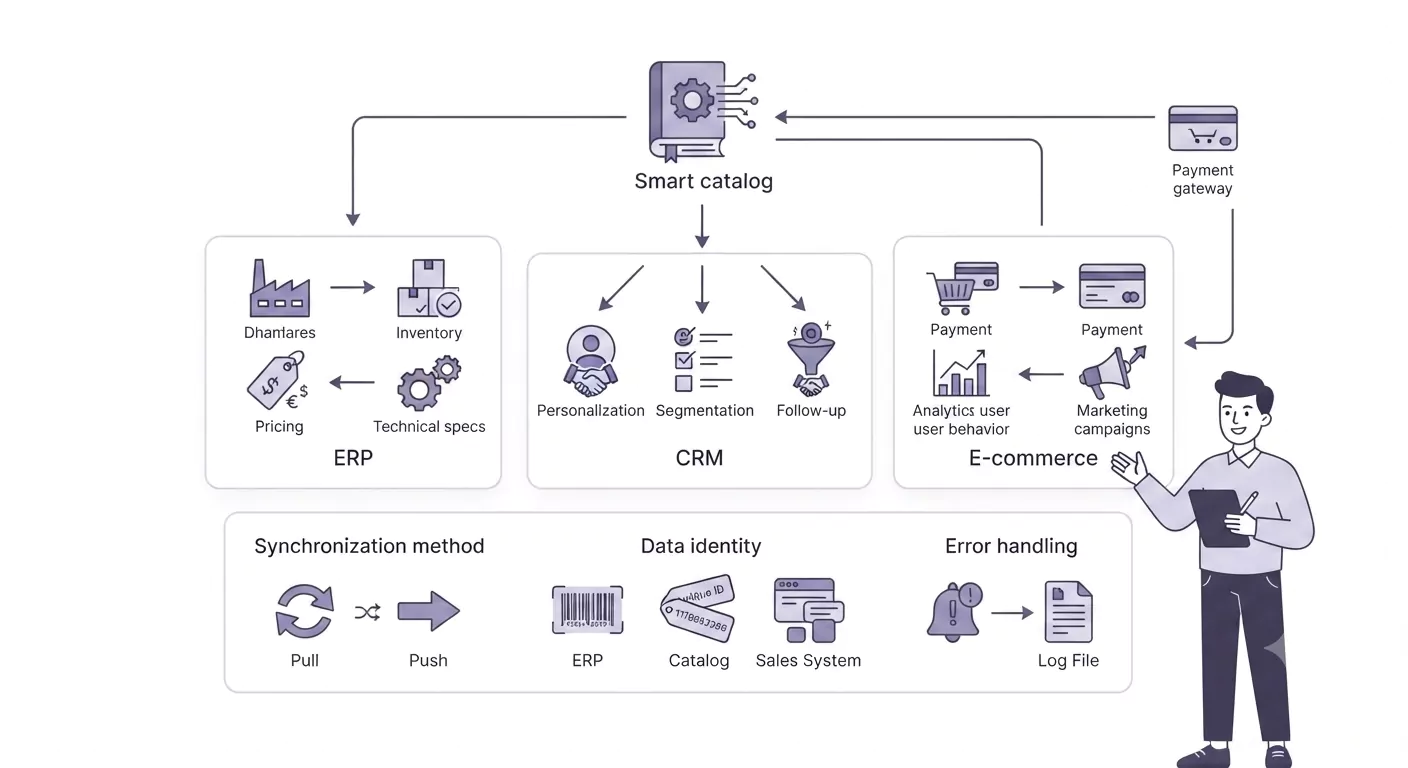
After the user fills out the form, the collected data (name, email, job title) must be automatically transferred to your CRM system (such as Salesforce or HubSpot) or marketing automation tools. This ensures the sales team is immediately notified of a new, "warm" lead.
C) Analyzing Gate Performance
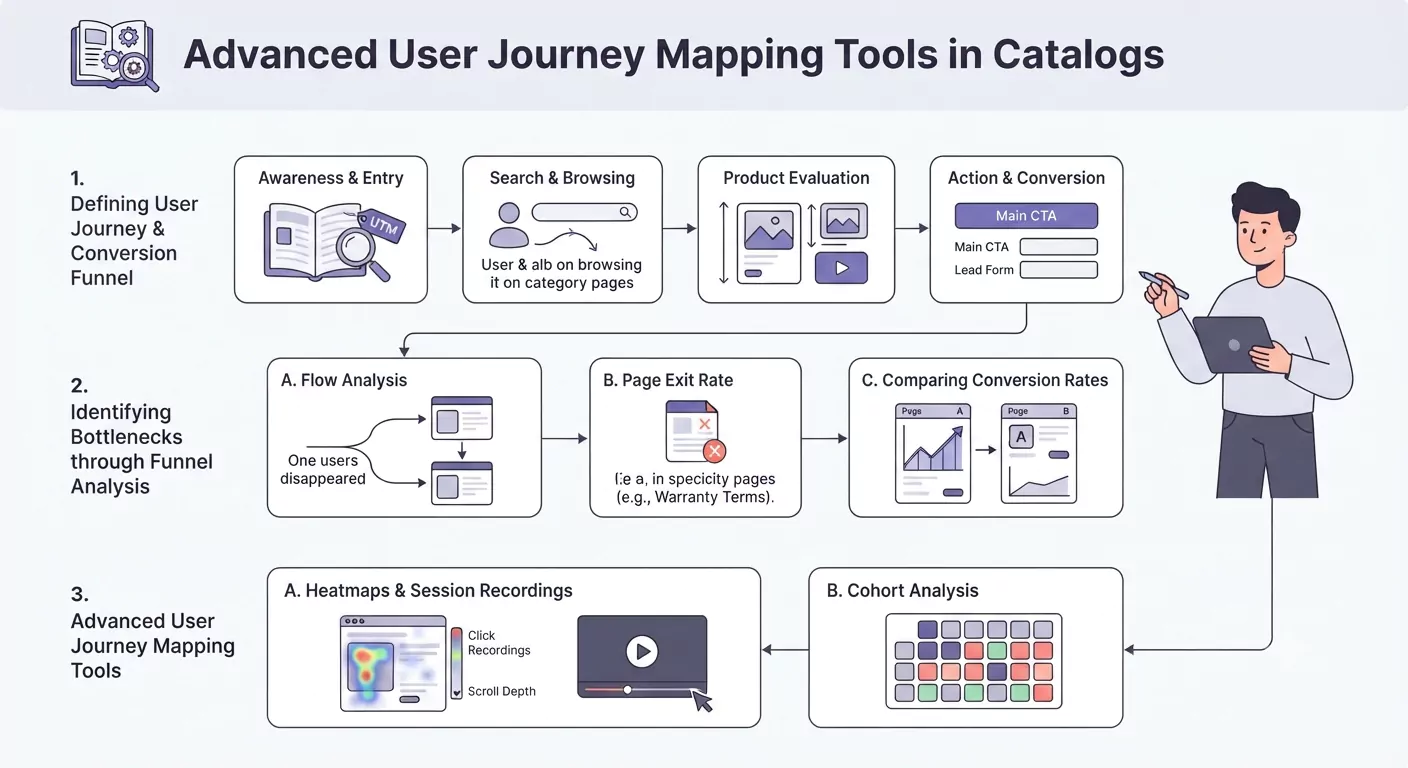
Using analytics tools, measure the success rate of the content gate: How many people filled out the form? Which forms led to sales? This data helps you optimize the type of content behind the gate and the length of the lead form.
Final Words
In B2B sales, the smart catalog can transform from an informational document into a powerful lead generation machine. By intelligently using Content Gating, you can protect your valuable and sensitive information in exchange for high-quality leads. This strategy makes the sales process focused, keeps the sales team concentrated on serious customers, and ultimately raises the Return on Investment (ROI) to the highest possible level.